








Maritime and
Naval
Maritime and Naval Applications
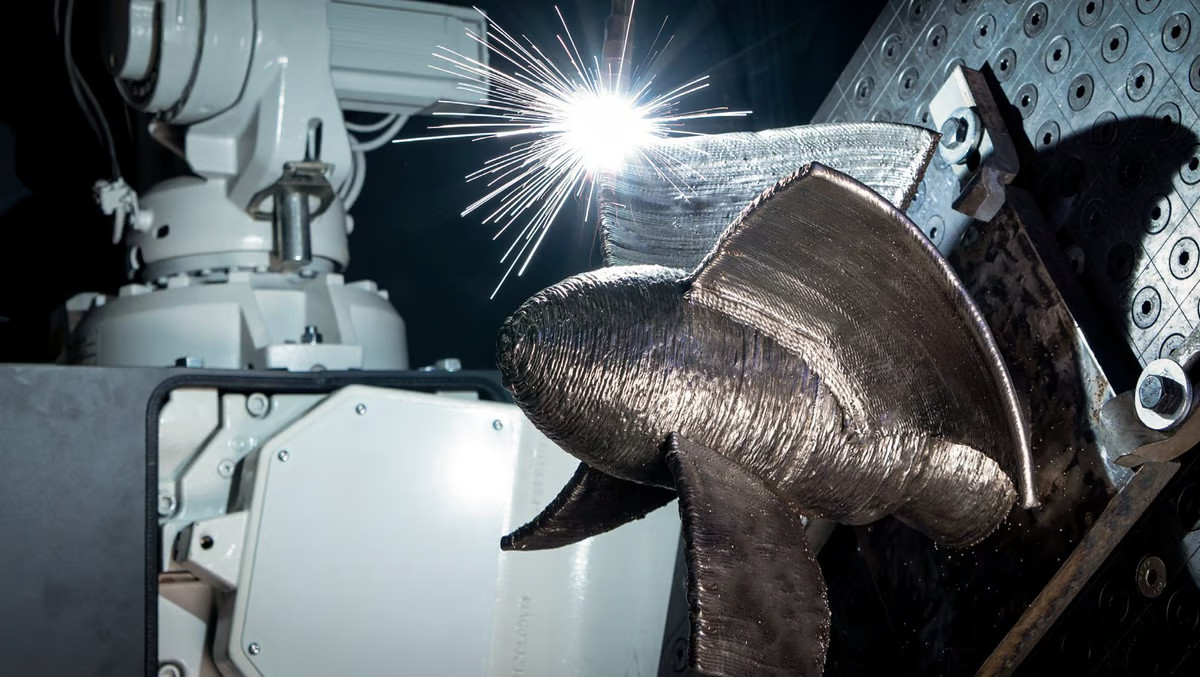
Advantages of 3d printing for boat production
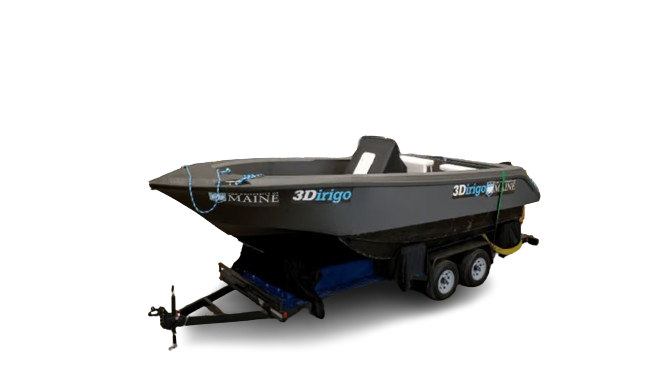
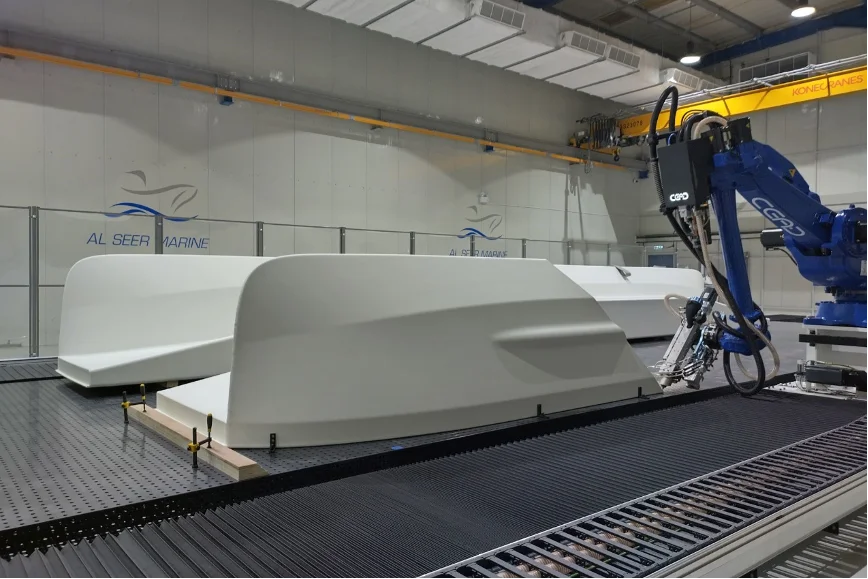
One of the most significant advantages of producing a boat with 3D printing is the freedom it offers from design constraints. Traditional shipbuilding methods often rely on expensive and complexly shaped molds and equipment, requiring high initial costs. With 3D printing, complex, customized boat designs can be created without these upfront expenses, allowing naval architects to explore new possibilities for expanding the boundaries of aesthetics and functionality.

The 3D printing process minimizes waste generation, enables the use of environmentally friendly recycled materials, and reduces overall energy consumption, aligning perfectly with global environmental goals. Thus, 3D printed boats represent an ideal production method in an age when sustainability is a top priority.

The rise of boat 3D printing is not isolated; it thrives in collaborative ecosystems and innovation hubs. Shipbuilders, technology companies, material suppliers, printing services and research institutes work side by side, fostering an environment where ideas are exchanged, tested and refined. This collaborative spirit drives the industry forward, ensuring that the latest advances are rapidly integrated into the landscape of 3D printing for boats.

AM OPPORTUNITIES IN MARITIME
Additive manufacturing offers many potential opportunities for the maritime industry, such as in supply, materials, design, printing, testing, certification, inventory management, and repair of marine parts for ships.
Some of the benefits that AM could bring are as follows:
Redesign opportunities for better functionality and longer parts life cycle.
AM allows parts to be redesigned more effectively, without the constraints of traditional casting and manufacturing methods. This creates potential for topology optimization or different lattice structures, thus reducing the weight and cost of parts or improving their functionality. In addition, with the possibility of using composite materials or custom alloys, the AM could improve the material strength and/or life cycle of parts.

On-demand printing for shorter lead times for parts and more efficient inventory.
AM is especially effective for high-value volume production. Without having to meet minimum order quantities, procurement managers could have done so more flexibly to order parts on demand and not be hampered by long lead times. It could also reduce the need to have him maintain a large number of stocks and spare parts on board the ship, thus having a more efficient inventory.
Addressing part obsolescence.
In 2020, the average age of the world merchant fleet was just over 20 years old. Many of the older ships experience delays in parts delivery due to limited availability and obsolescence of parts. This often leads to higher operating costs because any wear and tear on an obsolete part often results in completely new machinery required. With the potential of 3D part scanning and reverse engineering, part obsolescence could have it more effectively addressed, resulting in time and cost savings for shipping companies and manufacturers.
Emission savings through more efficient supply chains.
Because AM enables distributed production of parts, the need for cross-border movement of parts by air, land or sea is reduced, which therefore reduces the emissions footprint of each part and, overall, a more efficient supply chain. In addition, advances in AM technology enable recycling of materials as raw material for printing, resulting in a more sustainable parts supply chain. Toward greater sustainability, AM could help realize the adoption of recycled materials, end-of-life product solutions, and the use of environmentally friendly manufactured materials.
Shorter delivery time.
As a transshipment port that also provides a range of maritime services including the supply of marine parts, print-on-demand could enable shorter delivery times as ships may be able to obtain spare parts more quickly, without the need for long stops in the port of Singapore. For capital-intensive activities, this is true potentially attractive cost savings.
Continuing advances in AM technology in terms of printing techniques, materials, and qualification methods will continue to lower the price
barriers to the adoption of MA in the maritime sector.
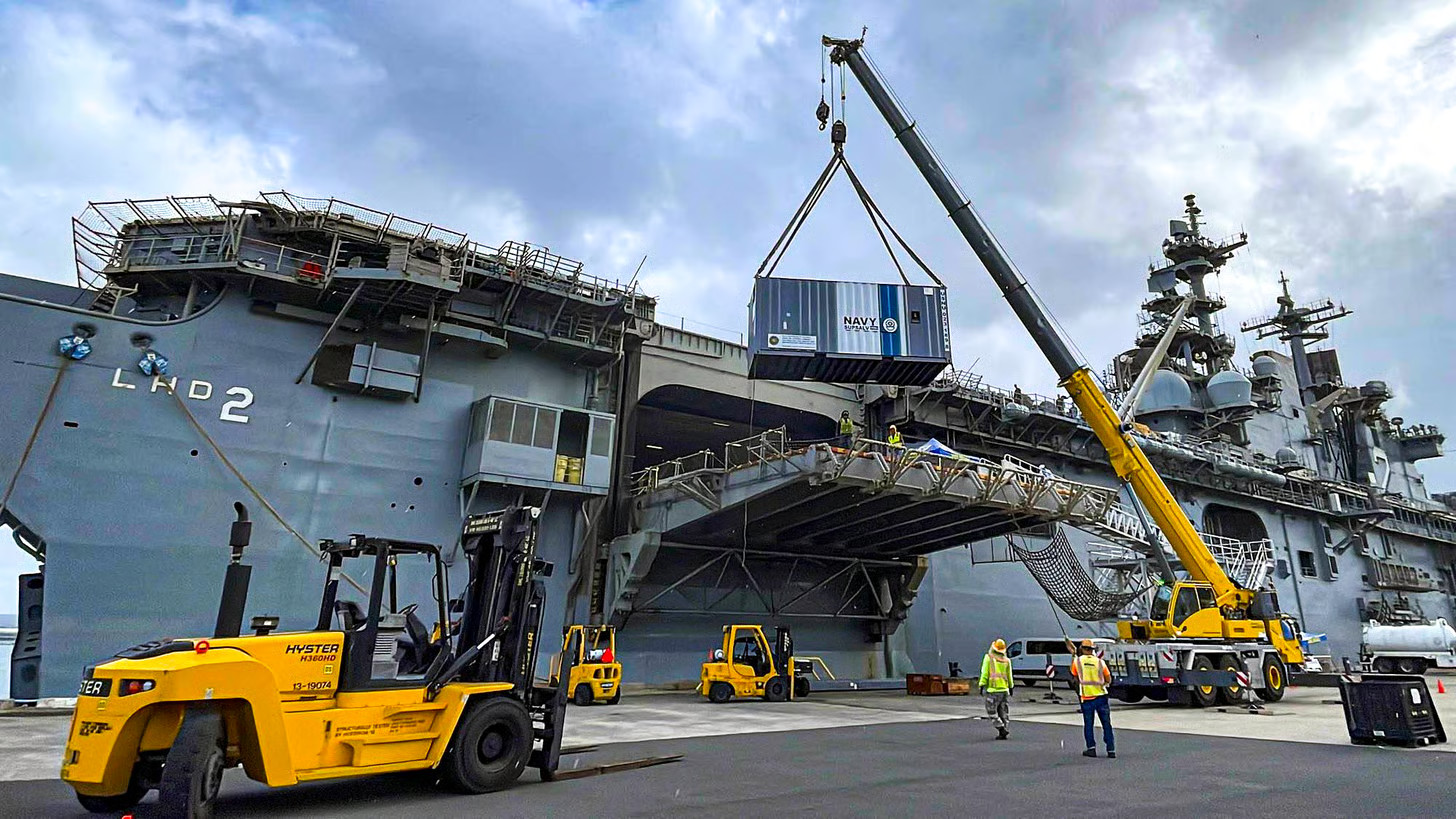
Some examples of Naval Maritime applications