






Moulds
3D Printing Approaches for Mold Making
A profound transformation is taking place in the manufacturing industry, and additive manufacturing, also known as 3D printing, is at the heart of this revolution. Aside from rapid prototyping and the production of custom parts, additive manufacturing has been just as transformative and, to some extent, revolutionary for the mold industry. Additive manufacturing has transformed mold design, manufacturing, and maintenance with the use of this innovative technology.
The Evolution of Mold Construction
Traditional mold manufacturing involved meticulously carving and processing materials to create molds for plastic injection, die casting, and other manufacturing processes. Its effectiveness, however, was often limited by its complexity and long production times.
The introduction of 3D printing technology in mold manufacturing was a game-changer. It’s not just a new tool in the toolbox; It represents a fundamental change in the way molds are conceptualized and manufactured.
Here are the key aspects of this transformation:
- Rapid prototyping and design iteration
One of the most significant benefits of additive manufacturing in mold manufacturing is rapid prototyping. Traditional mold manufacturing processes might take weeks or even months to produce a prototype. With 3D printing, you can create a detailed prototype in a matter of hours or days. This acceleration of the design and prototyping phase allows for faster iterations and refinements of mold designs.
Imagine being able to evaluate a physical prototype, identify potential design improvements, and have an updated version ready for testing in a fraction of the time it previously took. This speed and flexibility are invaluable for product development and innovation.

- Complex geometries and intricate details
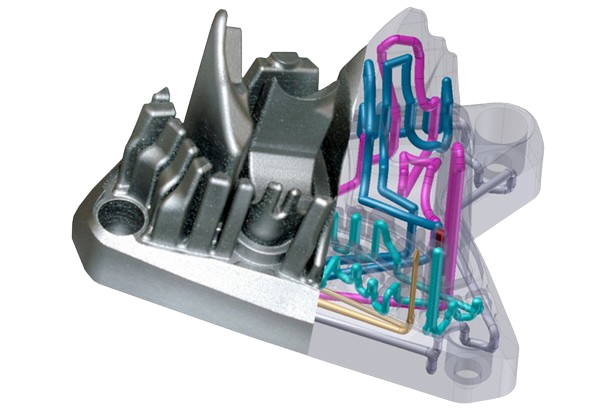
Traditional mold making techniques had limitations when it came to creating complex and intricate geometries. Some designs were simply too challenging or expensive to be produced using traditional methods. Additive manufacturing removes these constraints.
3D printing makes it possible to create molds with intricate details and complex geometries that were previously unattainable. This capability opens up new possibilities in product design and enables the production of parts and components with unprecedented levels of complexity and precision.

- Reduce material waste and save costs
Traditional mold manufacturing often involved removing excess material through machining and other processes. This could result in a significant waste of material. In contrast, additive manufacturing is an inherently efficient process that accumulates material layer by layer, minimizing waste.
Additionally, the cost savings associated with 3D printing can be substantial. Reduced labor, shorter lead times, and less material waste contribute to cost-effectiveness in mold production.
- Customization and low-volume production
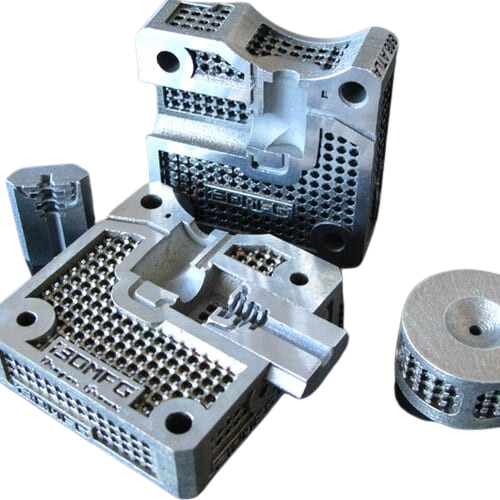
Additive manufacturing is particularly suitable for customization and low-volume manufacturing. This is a significant advantage in industries where customization is critical, such as medical devices, aerospace, and automotive. Manufacturers can create custom molds for specific product variations without incurring the high costs and lead times associated with traditional mold production.

- Bridge tools and fast delivery times
Another innovative application of 3D printing in mold manufacturing is bridge fixing. This involves using 3D printed molds for initial production runs while traditional molds are fabricated. It allows manufacturers to bring products to market quickly and validate designs before committing to large-scale production.

Challenges and Considerations
While the benefits of additive manufacturing in mold manufacturing are clear, it is essential to recognize the challenges and considerations that come with this technology. These include material selection, surface finish, and post-processing requirements. In addition, there may be limitations in terms of strength and durability of the material for some applications.

The Future of Mold Manufacturing
Additive manufacturing isn’t just a trend; It is a reality in the mold industry. Its widespread adoption is driven by the need for faster, more efficient, and cost-effective mold manufacturing processes. As technology continues to evolve, we can expect further advancements in materials and 3D printing techniques tailored to mold production.
The future promises even more exciting possibilities, such as the integration of sensors for real-time monitoring of mold performance, AI-based design optimization, and the use of sustainable materials. The mold industry is on the cusp of a new era, where innovation knows no bounds and additive manufacturing is at the forefront of this transformation.
Finally, additive manufacturing has established itself as a reality in the mold industry. Its impact on mold design, prototyping, and manufacturing is undeniable, and its potential for further growth and innovation is vast. As manufacturers continue to embrace 3D printing technology, we can expect to see a wave of new products, projects, and opportunities that were once out of reach. The future of mold manufacturing is being shaped by additive manufacturing, and the possibilities are limited only by our imagination.
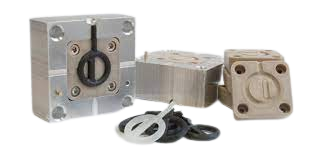
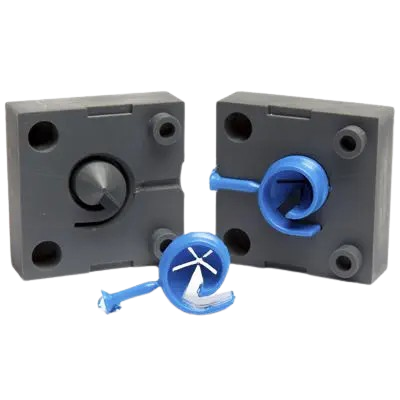
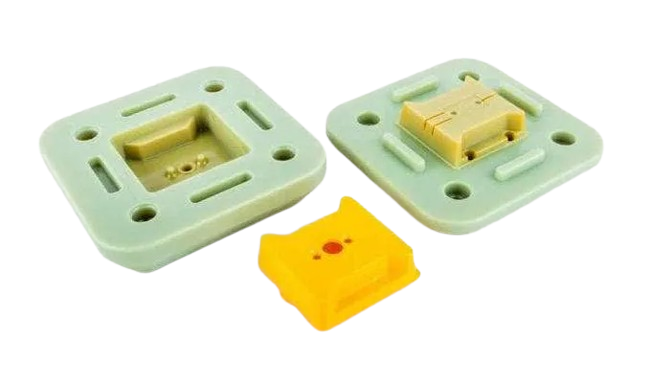
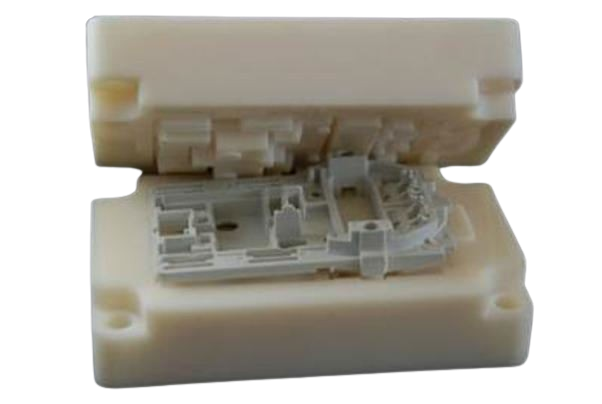
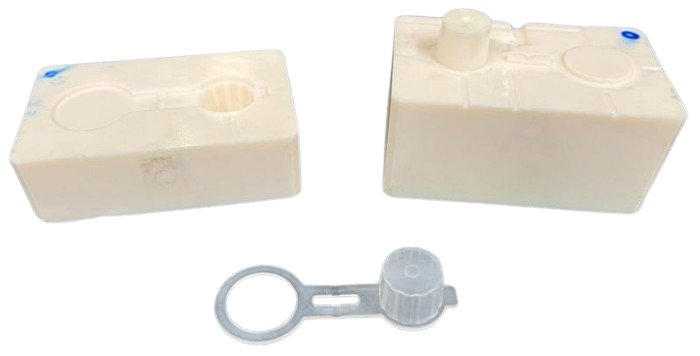
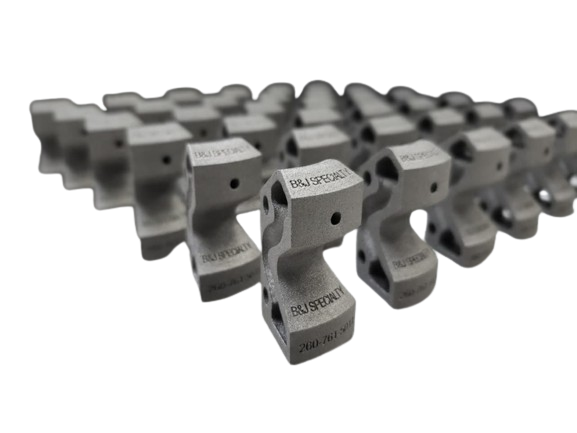
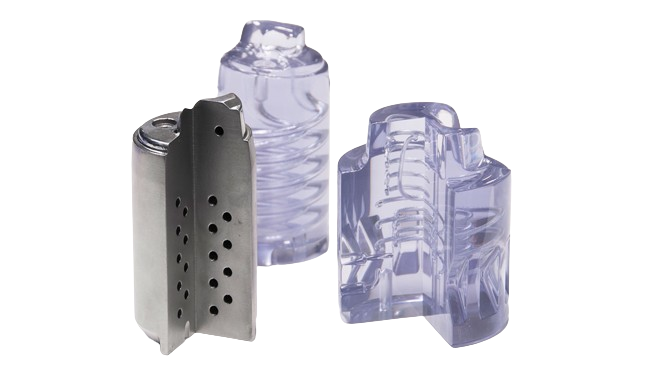
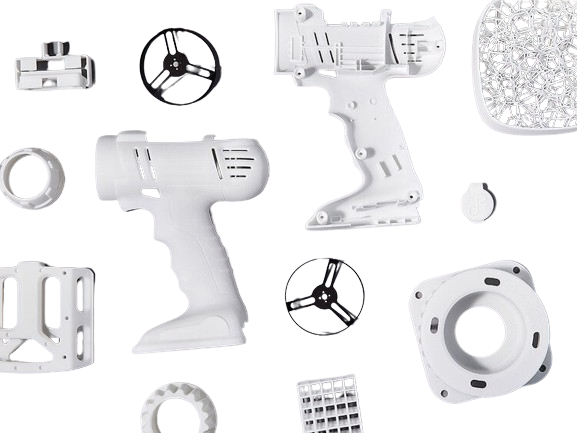
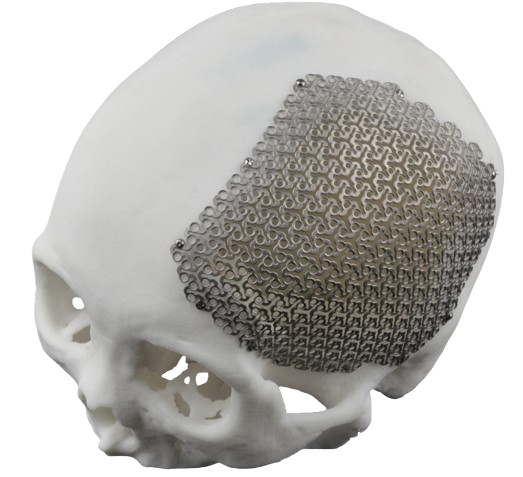
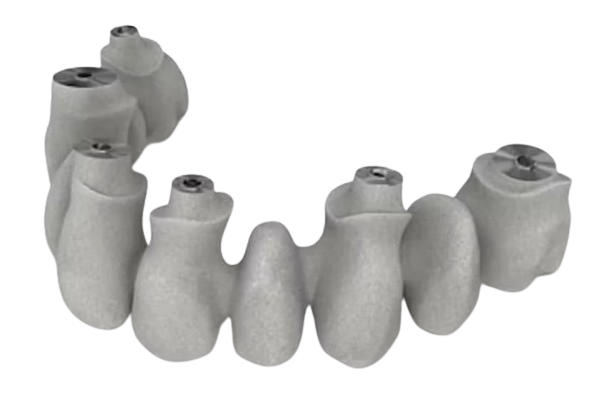
Some examples of Mold applications